Area Guide
Roquebrune-Cap-Martin
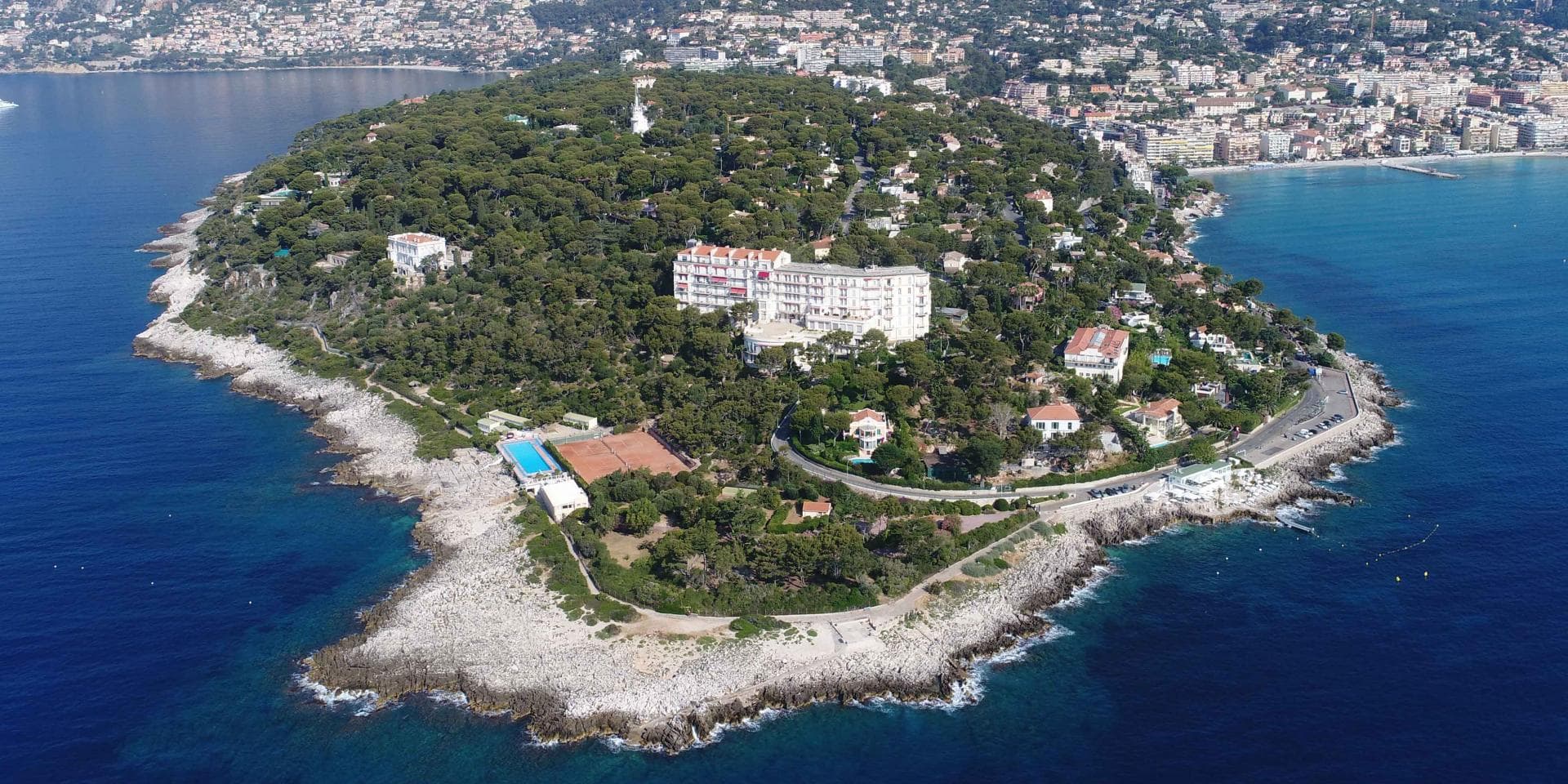
This page explains Roquebrune-Cap-Martin from a buyer-strategy perspective rather than as a generic town summary. It is designed for readers who want to understand the location's mixed identity, the different residential logics inside it, and how its positioning between Monaco and Menton can suit very different projects depending on which part of the commune the buyer is actually targeting.
Area map
Riviera area map
Current focus
Roquebrune-Cap-Martin
Eastern continuation beyond Monaco
What shapes this location
The key residential questions in Roquebrune-Cap-Martin
Start with the structural questions below, then move into the full area analysis.
Use this page for
Comparing buyer fit, day-to-day practicality, and the kind of residential project this location supports better than nearby alternatives.
01
What kind of buyer Roquebrune-Cap-Martin attracts
Roquebrune-Cap-Martin tends to attract buyers who want optionality rather than one single residential model. It can suit buyers looking for Monaco adjacency without being directly on the border, second-home users who want a calmer Riviera setting, and households who value the area's range of residential situations rather than a tightly uniform market identity.
02
Why buyers choose Roquebrune-Cap-Martin in practical and strategic terms
Buyers often choose Roquebrune-Cap-Martin because it offers a strategic position between stronger Monaco influence on one side and a different Riviera rhythm toward Menton on the other. That can create useful flexibility for buyers who want access and prestige nearby, but do not want the same residential logic as Monaco itself.
03
What makes Roquebrune-Cap-Martin different from nearby Riviera locations
Roquebrune-Cap-Martin differs from Monaco because it is not built around a single compact urban system, and it differs from Cap-d'Ail because the buyer logic is not always defined by direct border immediacy. It also differs from more enclosed or highly legible prestige enclaves because it contains several distinct residential experiences within the same commune.
04
Residential realities buyers should understand
Roquebrune-Cap-Martin rewards buyers who think in terms of micro-location rather than broad area branding. The useful questions are not only whether the commune is attractive, but what part of it is being considered, how that part works in daily life, and whether the property supports the intended rhythm of use.
What kind of buyer Roquebrune-Cap-Martin attracts
Roquebrune-Cap-Martin tends to attract buyers who want optionality rather than one single residential model. It can suit buyers looking for Monaco adjacency without being directly on the border, second-home users who want a calmer Riviera setting, and households who value the area's range of residential situations rather than a tightly uniform market identity.
That also means it requires more filtering than some other locations. Buyers looking for a single, instantly legible town logic may find places like Beaulieu-sur-Mer or Saint-Jean-Cap-Ferrat easier to read. Roquebrune-Cap-Martin tends to suit buyers who are willing to distinguish carefully between its different parts rather than rely on one label.
Why buyers choose Roquebrune-Cap-Martin in practical and strategic terms
Buyers often choose Roquebrune-Cap-Martin because it offers a strategic position between stronger Monaco influence on one side and a different Riviera rhythm toward Menton on the other. That can create useful flexibility for buyers who want access and prestige nearby, but do not want the same residential logic as Monaco itself.
In practical terms, the location can work for buyers who want a broader menu of residential options: some projects are more Monaco-oriented, some more scenic or quiet, and some more tied to a longer-run French coastal rhythm. The strategic value therefore lies partly in diversity of fit rather than in one single dominant narrative.
What makes Roquebrune-Cap-Martin different from nearby Riviera locations
Roquebrune-Cap-Martin differs from Monaco because it is not built around a single compact urban system, and it differs from Cap-d'Ail because the buyer logic is not always defined by direct border immediacy. It also differs from more enclosed or highly legible prestige enclaves because it contains several distinct residential experiences within the same commune.
That is why it should not be approached as one homogeneous area. The project may feel far more Monaco-facing in one part, far more residentially calm or view-oriented in another, and more independently coastal in another again. Buyers who ignore that internal diversity often struggle to judge the location properly.
Residential realities buyers should understand
Roquebrune-Cap-Martin rewards buyers who think in terms of micro-location rather than broad area branding. The useful questions are not only whether the commune is attractive, but what part of it is being considered, how that part works in daily life, and whether the property supports the intended rhythm of use.
This matters because two properties under the same area label may have very different relationships to access, Monaco proximity, views, calm, elevation, or day-to-day convenience. The commune's variety is an advantage, but only for buyers disciplined enough to decode it. Without that precision, buyers can think they are buying one residential logic while actually acquiring another.
Different micro-logics inside Roquebrune-Cap-Martin
Some parts of Roquebrune-Cap-Martin may appeal strongly to buyers whose daily project remains closely tied to Monaco. Others may suit buyers who want a quieter or more scenic residential environment without being fully detached from strategic access. Still others may work better for households seeking a broader French coastal base with different practical rhythms and expectations.
This internal variation is one of the commune's defining features. It can be a strength for buyers who want choice, but it also means the right acquisition depends heavily on precise siting, not just on deciding that the commune in general feels appealing. In practical terms, a more Monaco-facing project and a calmer, more independently residential project may sit under the same commune label while serving very different buyers.
Building stock, access, and practical fit
Because the area is varied, building stock and access conditions can differ significantly. Buyers may encounter apartments, more private settings, view-led properties, or residential configurations whose practical quality depends on parking, road access, elevation, or the relationship between the property and its surrounding environment.
That means the evaluation should stay highly concrete. The property has to be judged for how it actually works in relation to daily use, intended holding pattern, and the specific micro-location around it. Broad assumptions about the commune are rarely enough.
Ownership realities tied to Roquebrune-Cap-Martin
Roquebrune-Cap-Martin sits fully within the French ownership and acquisition environment, so the buyer still needs to think in French-process terms even where the property's practical logic is influenced by Monaco proximity or cross-border movement patterns.
That is why this area page should sit alongside the French Riviera buying guide. This page explains buyer fit, internal variation, and location strategy. The guide explains the acquisition process. Both are necessary, but they answer different parts of the project.
What international buyers often underestimate about Roquebrune-Cap-Martin
One common mistake is to underestimate how much the commune's internal diversity affects value and fit. Buyers can assume they understand the area when they really only understand one corner of it.
Another is to assume that Monaco influence tells the whole story. In some cases it matters enormously. In others, the property's own site, access, and daily-use profile matter more than the buyer first expects. The location works best when buyers are precise about which residential logic they are actually buying into.
How to think about Roquebrune-Cap-Martin as a primary residence, second home, or long-term base
As a primary residence, Roquebrune-Cap-Martin may suit buyers who want flexibility between Monaco-facing access and a more French residential environment. As a second home, it can work for those who want strategic positioning without choosing either full Monaco intensity or a more distant Riviera base.
As a long-term base, it may suit buyers who see value in the commune's variety and in its ability to support more than one type of project depending on the exact property. In each case, the right decision depends less on the name alone than on identifying the exact micro-location and residential rhythm that fit the buyer's real use case.
Related reading
Related reading and next steps
Roquebrune-Cap-Martin is best understood both as a place and within the wider French Riviera buying framework, especially for buyers weighing Monaco influence against a broader French coastal logic.
Guide
Buying Property on the French Riviera
A detailed editorial guide to buying residential property on the French Riviera, covering the French acquisition process, contracts, due diligence, local constraints, and international buyer considerations.
Guide
Buying Property in Monaco
A detailed editorial guide to the Monaco residential buying process for international buyers, covering acquisition stages, professional roles, key risks, and strategic considerations.
Next
Use this page to decide whether Roquebrune-Cap-Martin fits the project
If Roquebrune-Cap-Martin seems attractive, the next step is usually to identify which internal residential logic actually fits the project and then connect that choice to the right buying framework. Use the relevant buying guide to understand how the acquisition process works in practice.
Use this next
Move into the section that answers the most immediate procedural or structuring question first.