VEFA and New Developments
What Buyers Should Understand Before Purchasing in a New Development
This page explains what buyers should understand before purchasing in a new development. It is designed for readers who are still at the decision stage rather than already deep in reservation paperwork. The goal is to show why a new development should not be read only as a cleaner, newer version of resale property, but as a staged project that depends on documentation, developer execution, timing discipline, and the buyer's tolerance for uncertainty over time.
- Why buying in a new development is different from buying a completed property
- How the buyer is committing into a project rather than receiving a finished asset
Key takeaways
What this page helps clarify
- Why buying in a new development is different from buying a completed property
- How the buyer is committing into a project rather than receiving a finished asset
- Why developer quality and documentation matter so much early
- How timing, payments, and delivery risk change the reading of the file
- Why a new development only suits some buyer profiles comfortably
Why a new development should be read as a project
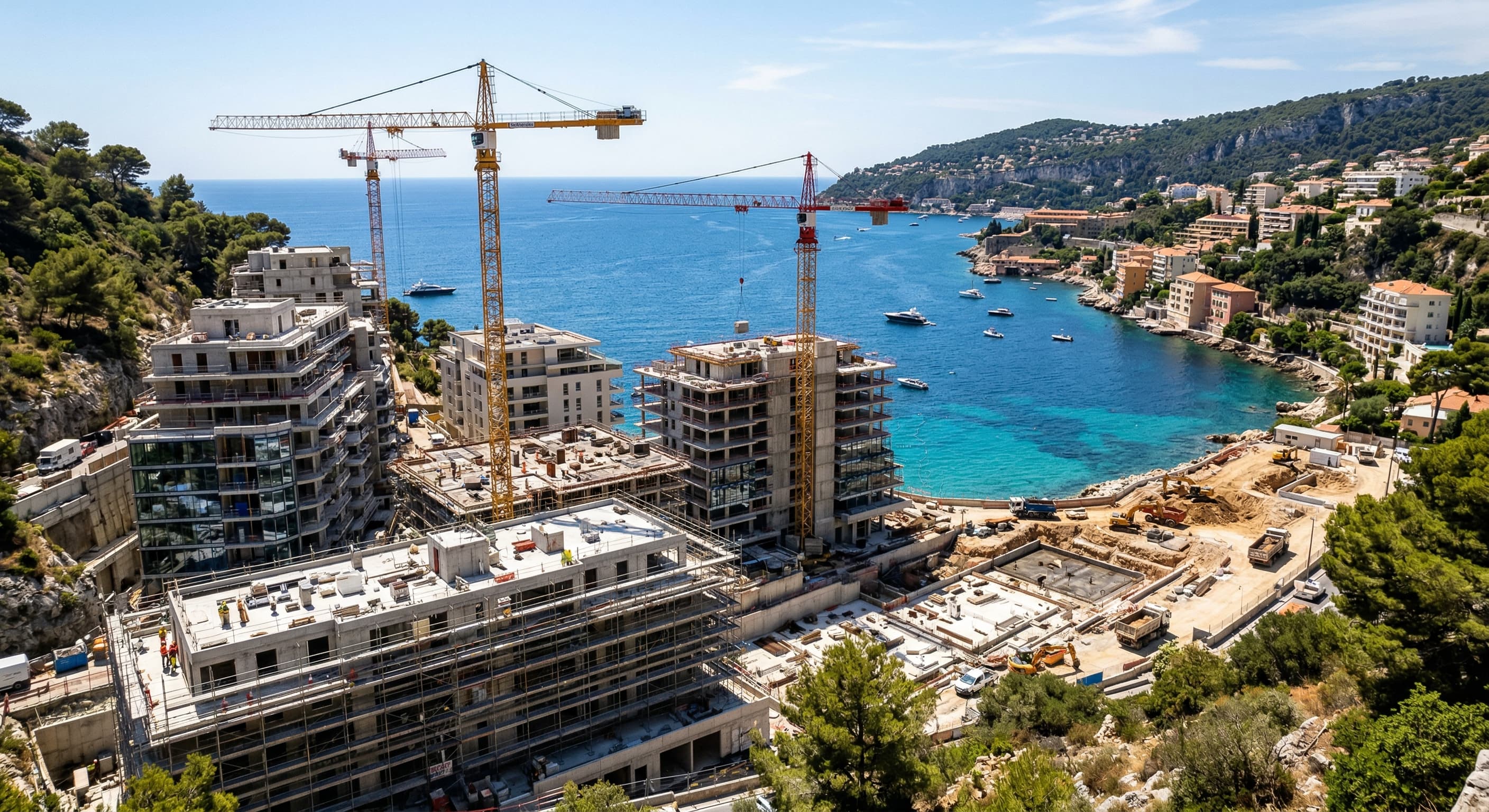
A new development can look reassuring because everything appears planned, documented, and professionally presented. That often makes the purchase feel cleaner than resale. In reality, the buyer is committing into a project that will evolve over time rather than taking immediate control of a completed asset.
That changes the nature of the decision. The asset may be new, but the risk is not absent. It has simply moved into sequencing, execution, and delivery rather than into the older-property questions buyers may know better.
Why early comfort can be misleading
Buyers are often comforted by polished brochures, coherent pricing, and the fact that everything appears modern and planned. That presentation can be useful, but it can also create the false impression that the file is already fully stabilized. In reality, much of what matters most still sits in the future: construction progress, payment rhythm, exact delivery condition, and how faithfully the finished asset will match expectations.
That is why early comfort should not replace disciplined reading. A well-presented file can still be a demanding one.
What buyers need to understand before they commit
Before committing, buyers should understand who is carrying the project risk, what the documentation really shows, how staged payments will affect their planning, and whether the delivery timeline fits their life or financing logic. They should also ask whether the uncertainty profile of the transaction actually suits them.
A buyer who wants maximum immediate certainty may still prefer completed property. A buyer who wants new product and is comfortable with project timing may find a new development entirely appropriate. The key is matching the buyer profile to the structure of the asset.
Why this is not just a reservation-stage issue
Some readers treat these questions as relevant only once the reservation contract arrives. In practice, they belong before that. The reservation stage should not be the first time the buyer realizes they are committing into a process that depends heavily on staged execution and future delivery quality.
That is why this page exists higher up the funnel. It helps the buyer decide whether the new-development model itself feels right before narrower contractual questions start to dominate the conversation.
How to use this page intelligently
This page works best as a threshold page. It helps the buyer decide whether to go deeper into VEFA with the right mindset or whether the project is already revealing a mismatch between the product and the buyer's tolerance for uncertainty.
Used well, it becomes a filter against premature enthusiasm. The buyer does not reject the new-development route out of fear. The buyer simply begins it with clearer expectations about what is actually being bought and when.
Related reading
Related reading and next steps
This page works best alongside the VEFA overview, reservation, and developer-risk pages, because broad project understanding becomes most useful once it is connected to the concrete commitment stages.
Guide
VEFA and New Developments
A practical editorial guide to VEFA and new-development buying in France for international buyers who need clarity on reservation, staged payments, delivery, and project risk.
Related Page
What Is VEFA and How Does It Work in France
A practical guide to what VEFA is and how it works in France, including how an off-plan purchase is structured, what stages buyers move through, and where the real risks sit.
Related Page
Reservation Contract Explained
A practical guide to what a reservation contract means in a VEFA or new-development purchase, and what it does and does not secure for the buyer.
Related Page
How to Assess Developer Risk Before Buying VEFA
A practical guide to how buyers should assess developer risk before buying VEFA, including track record, project credibility, documentation quality, delivery assumptions, and false confidence signals.
Area Guide
Cap-d'Ail
A strategic Cap-d'Ail area guide for international buyers evaluating residential property, Monaco proximity, buyer fit, and practical French Riviera realities.
Area Guide
Beaulieu-sur-Mer
A strategic Beaulieu-sur-Mer area guide for international buyers evaluating residential property, buyer fit, practical realities, and ownership logic on the French Riviera.
Area Guide
Monaco
A strategic Monaco area guide for international buyers evaluating residential property, buyer fit, practical realities, and local market logic.
Next
Start with the logic of the project before you start with the paperwork
A new development becomes easier to judge once the buyer reads it as a staged execution story rather than as a finished product dressed in future tense. Use this page to decide whether the model itself fits before you commit into its documentation.
Use this next
Move into the section that answers the most immediate procedural or structuring question first.