VEFA and New Developments
Delivery Risks in New Developments
This page explains the delivery stage in a new-development purchase from a risk-reduction perspective. It is not a vague warning that 'delays can happen.' Its purpose is to help international buyers understand what can become more complicated between projected delivery and actual handover: timing shifts, finishing quality, snagging issues, coordination gaps, expectation mismatch, and the pressure of trying to complete a project that still requires attention at the moment it is supposed to feel finished.
- Why projected delivery and actual handover are not always the same thing
- How delay risk affects planning, funding, and buyer expectations
Key takeaways
What this page helps clarify
- Why projected delivery and actual handover are not always the same thing
- How delay risk affects planning, funding, and buyer expectations
- What finishing and handover-quality issues can look like in practice
- Why international buyers should think about coordination before completion
- How to approach the delivery stage with more realism and less last-minute stress
Why the delivery stage deserves early attention
The delivery stage deserves attention long before the buyer reaches it because this is the point where many earlier assumptions are tested against reality. A projected completion date, a set of visual expectations, and a financing or usage plan all come under pressure when the project approaches handover.
That is why delivery risk should not be treated as a final technical detail. It is part of the buying logic from the start, especially for international buyers who may be coordinating travel, occupancy plans, financing, family use, or other commitments around a date that is still only projected.
What delay risk means in practical terms
Delay risk is not only about waiting longer than expected. In practical terms, it can affect financing coordination, occupancy planning, furnishing schedules, relocation timing, rental or family-use plans, and the buyer's broader confidence in how the project is being managed.
A buyer does not need to assume that every project will drift badly. But the buyer should understand that projected delivery is best treated as a planning reference rather than a guaranteed lived reality until the project is genuinely ready for handover and practically usable.
Where expectation gaps often appear
Expectation gaps often appear when buyers imagine the handover moment as the point where the asset becomes seamlessly usable. In practice, there can still be finishing issues, snagging points, specification questions, quality concerns, or coordination tasks that need attention before the property feels as complete as the original marketing or early-stage imagination suggested.
This does not mean the project has failed. It means buyers should prepare for a handover phase that may involve inspections, punch-list follow-up, clarification, and practical responsiveness rather than a perfect switch from promise to finished ease.
Why international buyers can feel this stage more sharply
International buyers often feel delivery friction more sharply because distance amplifies coordination problems. Travel, language, local availability, banking timing, furnishing plans, snagging follow-up, and practical access to the site can all make final-stage issues feel more disruptive than they might for a locally based buyer.
That is why a serious buyer should think ahead about how the handover phase will actually be managed. The question is not only whether delivery happens, but who will inspect, follow up, respond, and stay operationally available if the final stage proves less smooth than first expected.
How to think about handover more strategically
A stronger approach is to think about delivery as a phase of verification and coordination rather than as a ceremonial end point. That mindset helps the buyer stay more realistic about timing, quality control, and the need to remain engaged right through the final stage.
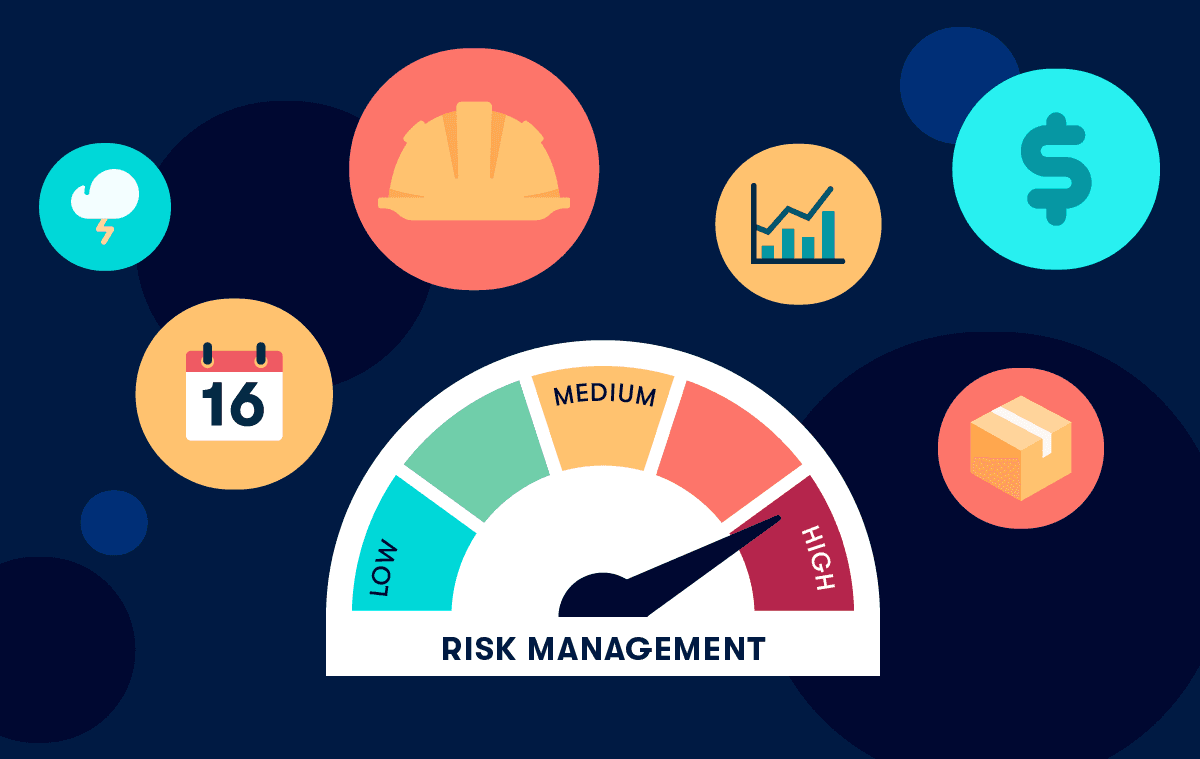
Seen this way, delivery risk becomes less mysterious. It is a combination of schedule risk, quality-control risk, and coordination risk, all of which are easier to handle when they are anticipated early rather than discovered emotionally at the point of supposed completion.
Related reading
Related reading and next steps
This page works best with the reservation and staged-payment pages, then alongside the wider French timeline and completion guidance where buyers need more context on sequencing and funds movement.
Guide
VEFA and New Developments
A practical editorial guide to VEFA and new-development buying in France for international buyers who need clarity on reservation, staged payments, delivery, and project risk.
Related Page
Reservation Contract Explained
A practical guide to what a reservation contract means in a VEFA or new-development purchase, and what it does and does not secure for the buyer.
Related Page
Payment Stages in VEFA
A practical guide to staged payments in VEFA, including how calls for funds relate to construction progress, financing coordination, and buyer cash planning.
Next
Treat delivery as a verification phase, not a magic finish line
Delivery risk becomes easier to manage when the buyer expects a final phase of timing, quality, and coordination pressure instead of imagining a perfectly frictionless handover. That realism usually improves planning long before completion approaches.
Use this next
Move into the section that answers the most immediate procedural or structuring question first.